
Climate change has become one of the biggest problems in the world today. A lot of practices and items in our daily lives have a bad impact on the environment, and we may not even be aware of it. This article talks about 17 items in our daily lives that are contributing to environmental degradation.
Plastic Straws

Millions of plastic straws are used every day by people of all ages. The World Wildlife Fund recommends that you stop the use of plastic straws to reduce pollution. This can be a personal initiative and every small step counts. You may use alternatives, such as metal or bamboo straws.
Plastic Toothbrushes

We brush our teeth every day, and it is recommended to change toothbrushes every six months. Using plastic toothbrushes means significant amounts of plastic waste are generated. Plastic toothbrushes are non-biodegradable and end up in oceans and landfills. Bamboo toothbrushes offer a sustainable, environmentally friendly alternative.
Disposable Water Bottles
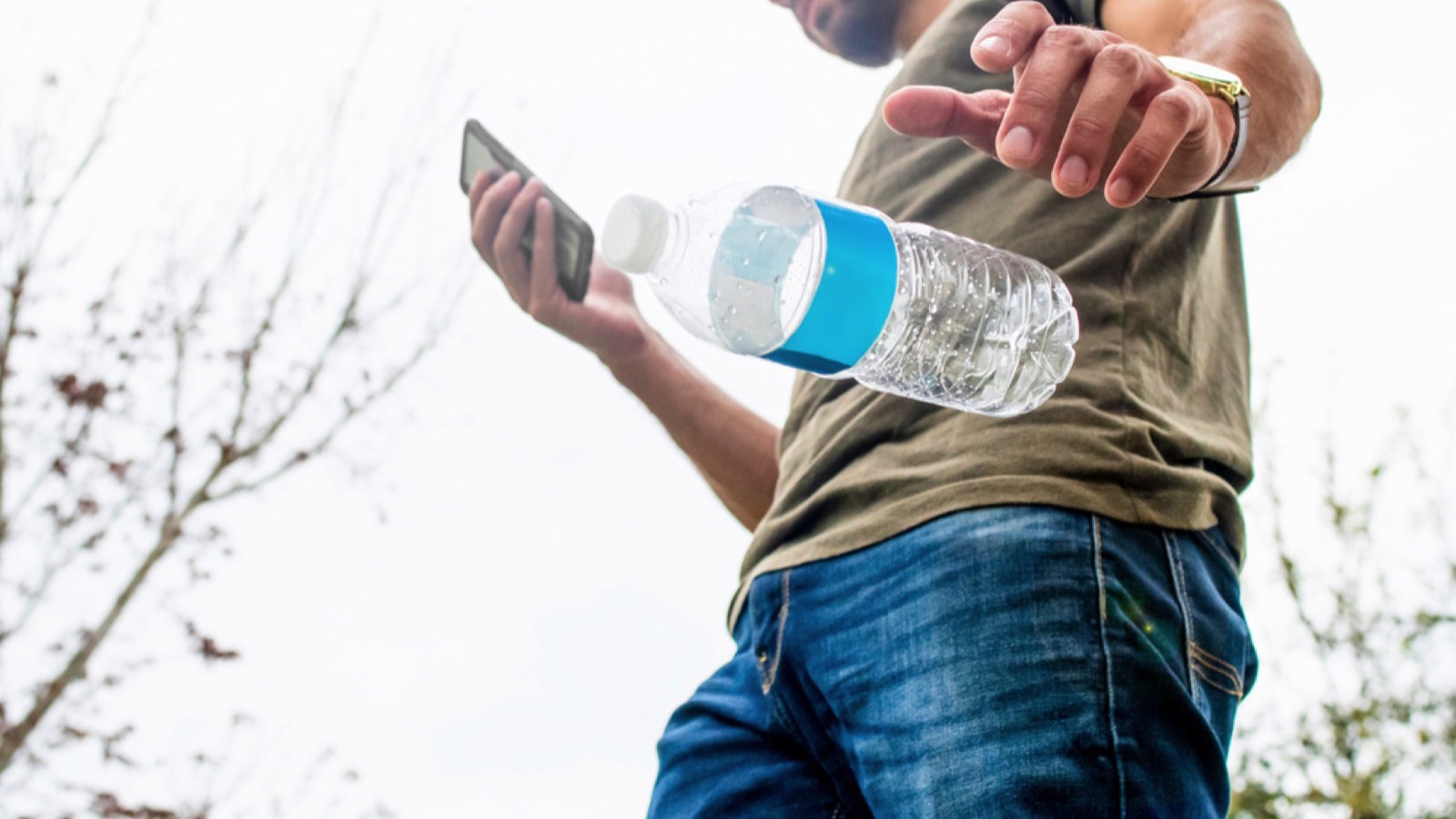
CNN reported that 85% of water bottles disposed of become waste that ends up in the ocean. This plastic waste takes almost 1,000 years to degrade and kills millions of sea creatures. Making the switch to reusable bottles can have a positive impact on the environment.
Plastic Packaging

You probably didn’t realize your shopping also contributes to climate change. Much of the packaging used for products at grocery stores, clothing stores, or hardware stores is non-recyclable. Plastic packaging adds to landfill waste and environmental pollution. Choosing products with minimal or eco-friendly packaging is better.
Single-Serve Coffee Cups

Single-serve coffee cups are often lined with plastic and aren’t easily recyclable. Opting for a French press or reusable cup offers a more sustainable alternative, reducing waste and minimizing environmental harm. Making conscious coffee choices can help protect the planet and preserve natural resources.
Styrofoam Takeout Containers

Styrofoam containers are one of the most used items in our daily lives. They’re used for food storage and transportation. These takeout containers we use once are causing long-term harm to the environment, as they’re non-biodegradable. Eco-friendly alternatives are a better choice.
Single-Use Plastic Cutlery

Single-use plastic cutlery is common in fast food and takeout establishments. Often not recyclable, these items end up in landfills, further harming the planet. Switching to reusable cutlery options helps reduce waste and lessen the environmental impact associated with disposable plastics.
Plastic Bags

Over five trillion plastic bags are used annually, according to The World Counts. Hundreds of years are needed for a plastic bag to decompose, and marine animals mistake them for food, leading to death. Using reusable bags is a simple swap that can make a big difference.
Fast Fashion Clothing

That trendy outfit comes with a high environmental price tag. The fast fashion industry produces high volumes of cheaply made garments that are quickly disposed of. This leads to high levels of textile waste in addition to the harmful chemicals used in production. Choosing sustainable fashion is better for the planet.
Paper Napkins

Paper napkins have high consumption rates and are often made from virgin paper. Using cloth napkins offers a more sustainable alternative, reducing waste and minimizing environmental harm. Individuals can reduce their environmental footprint and promote eco-friendly dining habits by choosing cloth napkins.
Disposable Contact Lenses

Those lenses that help you see better could be harming the environment. Disposable contact lenses contain non-biodegradable materials and contribute to water contamination when improperly disposed of. Contact lenses flushed down toilets add to ocean pollution. Choosing reusable options or proper disposal methods reduces harm.
Disposable Diapers

Disposing of diapers is easy, convenient, and can save you time and reduce your laundry bulk. But think of how much this impacts the environment. It has been reported that the use of reusable diapers can reduce the carbon footprint by up to 40%.
Air Fresheners

Air fresheners often contain harmful chemicals that cause air pollution and harm human health. Natural alternatives offer a safer and more environmentally friendly option for freshening indoor spaces. By choosing natural air fresheners, individuals can reduce their exposure to harmful chemicals and minimize their impact on the environment.
Disposable Razors

Shaving might seem harmless, but it’s a culprit in environmental pollution. Billions of disposable razors are thrown away each year. Disposable razors are made of plastic and metal and add to landfill waste. Switching to reusable options can minimize their environmental footprint.
House Cleaners

The use of chemical-based cleaning products contributes to air and water pollution. Disposable cleaning tools and materials also add to landfill waste. Additionally, excessive water usage during cleaning can strain local water resources. To reduce these environmental concerns, opt for eco-friendly cleaning products, water-saving techniques, and reusable tools.
Single-Use Wet Wipes

Wet wipes damage the environment when disposed of improperly. They contain non-biodegradable materials and cause sewer blockages. They also harm marine life and add to landfill waste. Despite their convenience, using biodegradable alternatives offers a more eco-friendly option, reducing the environmental impact.
Disposable Batteries

Improper disposal of batteries leads to environmental contamination. Disposable batteries contain toxic chemicals and harmful heavy metals that contaminate the soil and water. Rechargeable batteries offer a more sustainable option for energy practices, reducing waste and minimizing environmental harm.
Read More: Why People Aren’t Religious Anymore: 15 Simple Reasons

As society evolves, so does our approach to spirituality. This article looks at the subtle yet profound shift from traditional religious adherence to a more personal, evidence-based belief system.
Why People Aren’t Religious Anymore: 15 Simple Reasons
17 Things Society Can No Longer Do Because Gen Z Said So

Gen Z, our digital-native, trendsetting generation, is making waves in the cultural sea, steering the ship of societal norms in fresh and unexpected directions. As they charter new territories, there are certain practices they’d rather we say goodbye to. Curious? Let’s take a look at 17 things the rest of us can no longer do because Gen Z said so.
17 Things Society Can No Longer Do Because Gen Z Said So
19 Common Behaviors of Highly Intelligent People

Intelligent individuals often display a range of behaviors and qualities that set them apart from others. When exploring these characteristics, it’s crucial to comprehend that intelligence is a multifaceted attribute. Here are 19 essential behaviors and qualities frequently observed in highly intelligent people.
19 Common Behaviors of Highly Intelligent People
17 Things We Were Taught in High School That We Now Know Aren’t True
Well, this one may depend on when you went to high school, but for this millennial, these are the things we were taught in high school that have been proven not to be true. Personally, I still want to go back and correct every teacher who told me I wouldn’t always have a calculator in my pocket; the joke is on them.
17 Things We Were Taught in High School That We Now Know Aren’t True
16 Reasons Why Trump May Not Get a Second Term

Though Republican frontrunner Donald Trump thinks his trip back to the Oval Office is all but guaranteed, there are some real hurdles he has to get past. Here are the 16 obstacles that may stand in the way of a second term.